Debunking Common Myths About ADAS Calibration
Understanding ADAS Calibration
Advanced Driver Assistance Systems (ADAS) are transforming the way we drive, making our journeys safer and more convenient. However, there's a lot of misinformation surrounding ADAS calibration, leading to confusion among vehicle owners. Proper calibration is crucial for the optimal functioning of these systems.
Without accurate calibration, features like lane departure warning and adaptive cruise control may not work correctly, potentially compromising safety. Let's address some common myths to help you understand why calibration is essential.
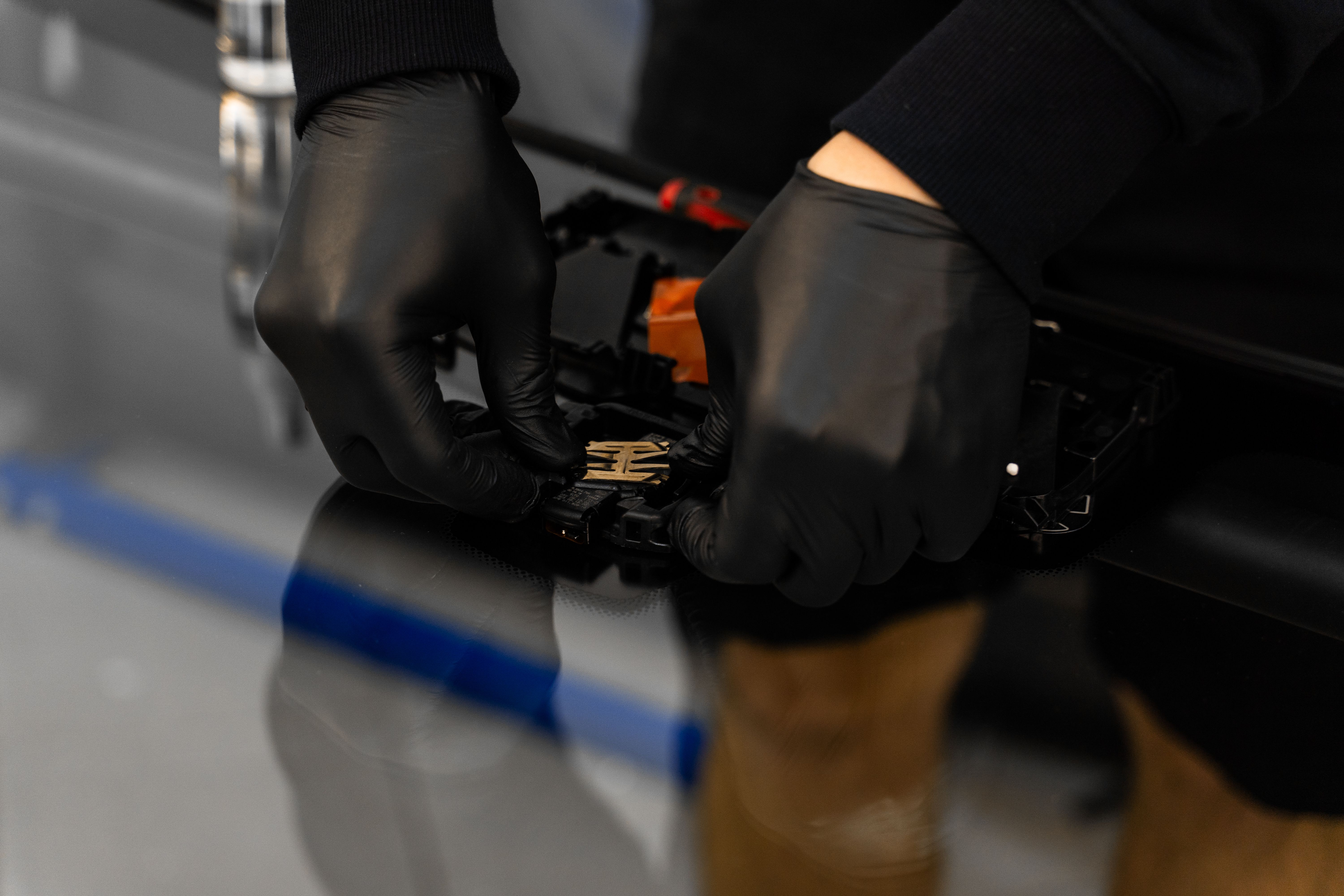
Myth 1: ADAS Calibration Is Only Necessary After a Collision
Many people believe that ADAS calibration is only required after a car accident. While it's true that collisions can affect sensor alignment, other factors also necessitate calibration. Changes in wheel alignment, windshield replacement, and even minor bumper repairs can all impact the accuracy of ADAS sensors.
Regular calibration checks ensure that all systems function as intended, providing consistent safety features regardless of recent vehicle repairs.
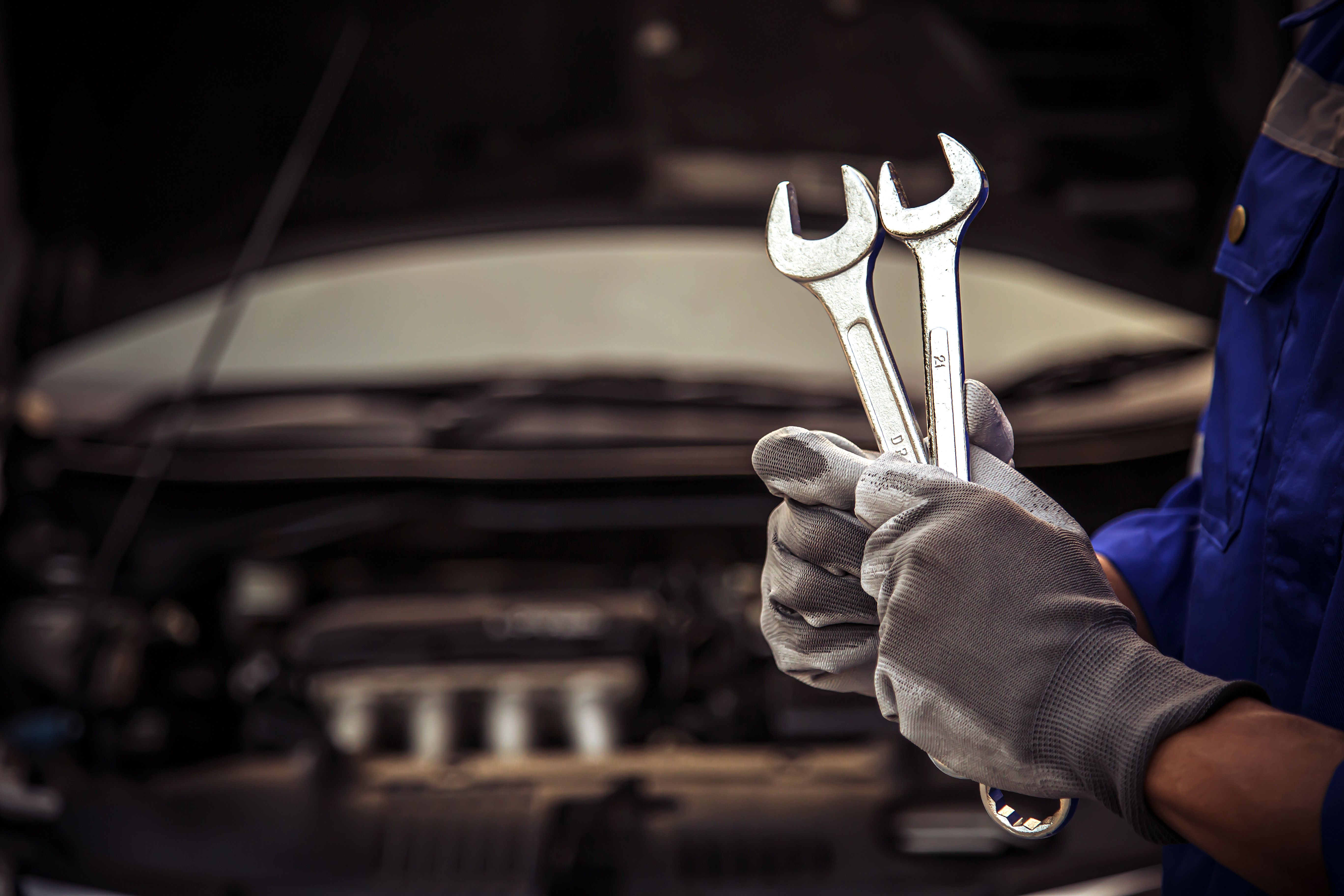
Myth 2: Calibration Can Be Done at Any Auto Shop
Another common misconception is that any auto shop can perform ADAS calibration. In reality, proper calibration requires specialized equipment and trained technicians. Not all repair facilities have the necessary tools or expertise to handle these sophisticated systems.
It's essential to visit a certified service center that understands the intricacies of your vehicle's ADAS technology and can ensure precise calibration.
Myth 3: Calibration Is a One-Time Procedure
Some vehicle owners think that once their ADAS is calibrated, it will remain accurate indefinitely. However, various factors such as routine maintenance, tire changes, and software updates can affect sensor alignment. Regular calibration checks are crucial to maintain system accuracy over time.

Myth 4: Calibration Is Unnecessary for New Cars
Even new cars may require calibration, especially if they undergo any modifications or experience changes during transport. Dealers often ensure that calibration is part of the pre-delivery inspection, but it's wise for owners to verify this step has been completed.
Maintaining an accurate ADAS setup right from the start helps ensure that all safety features are reliable and effective.
Conclusion
Debunking these myths is key to understanding the importance of ADAS calibration. By ensuring that your vehicle's systems are accurately calibrated, you can enjoy enhanced safety features and peace of mind on the road. Always consult with a certified professional to keep your ADAS in top condition.