The Ultimate Guide to ADAS Calibration: Ensuring Safety on Liverpool Roads
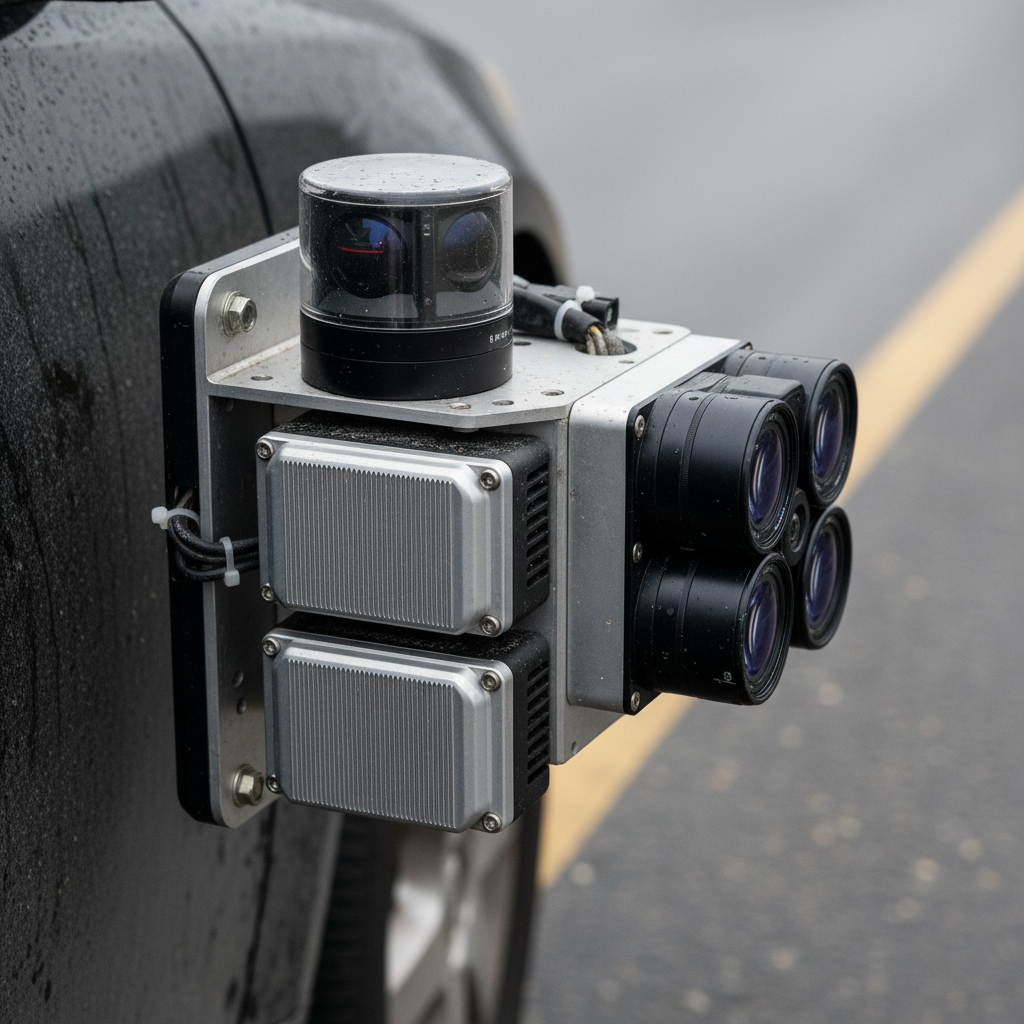
Advanced Driver Assistance Systems (ADAS) are revolutionizing the way we drive, making our roads safer and more efficient. These systems use cameras, sensors, and software to assist drivers, but they require precise calibration to function correctly. In Liverpool, where diverse driving conditions prevail, ensuring that your ADAS is properly calibrated is crucial.

What is ADAS Calibration?
ADAS calibration is the process of adjusting the sensors and cameras in your vehicle to ensure they are aligned correctly. This calibration is essential after any service that may affect the sensors, such as a windshield replacement or suspension repair. Proper calibration ensures that features like lane departure warnings or adaptive cruise control work accurately.
Why is Calibration Important?
Without proper calibration, ADAS may provide incorrect information, leading to potential safety risks. Misaligned sensors can cause false alarms or, worse, fail to warn you of a real danger. This is why calibration is not just a recommendation but a necessity for maintaining road safety.
When Do You Need ADAS Calibration?
There are several scenarios when ADAS calibration becomes necessary:
- After replacing or repairing the windshield
- Following collision repairs
- If the vehicle experiences a significant jolt or impact
- When installing new tires or making suspension adjustments
Types of ADAS Calibration
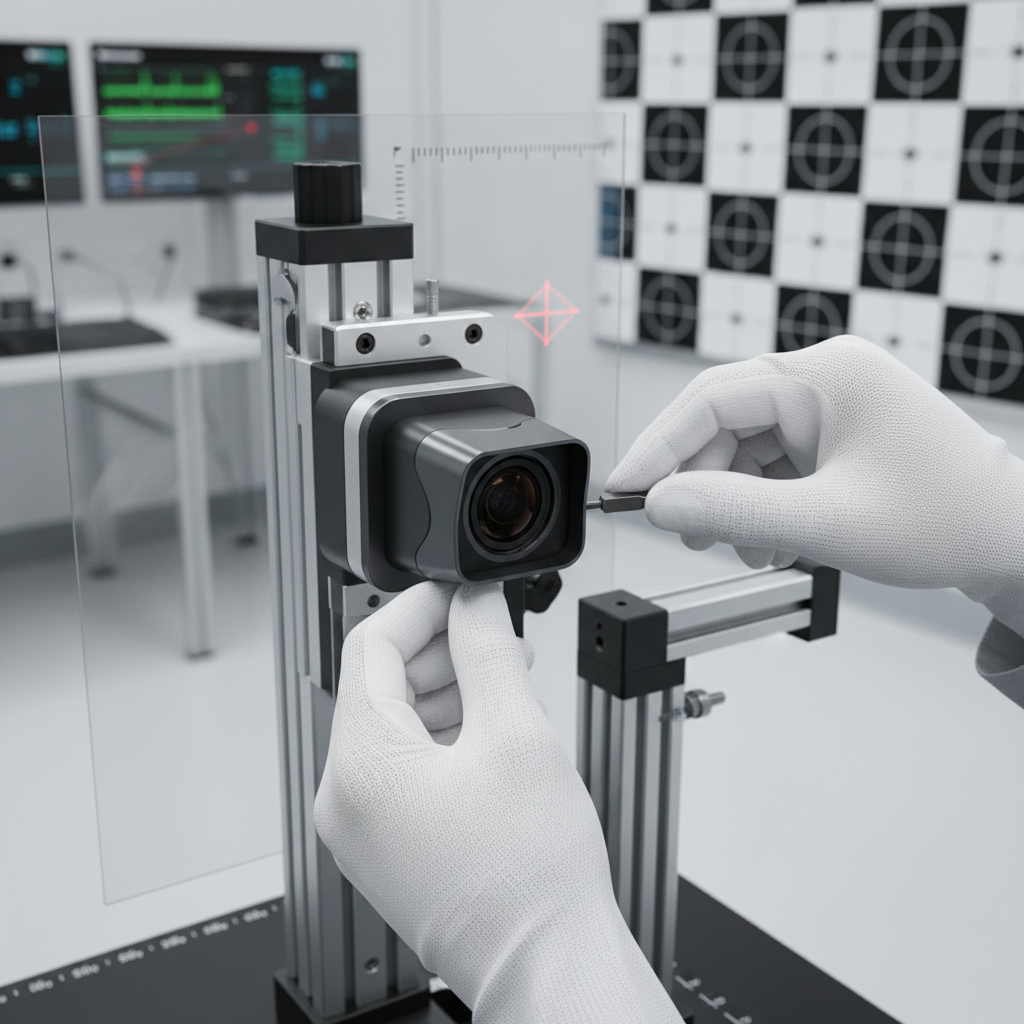
There are two main types of ADAS calibration: static and dynamic. Static calibration is performed in a shop using specialized equipment, while dynamic calibration involves driving the vehicle under specific conditions. Both methods ensure that your system’s sensors and cameras are perfectly aligned.
Choosing the Right Service Provider
When selecting an ADAS calibration service in Liverpool, it's vital to choose a provider with the right expertise and equipment. Look for professionals who offer both static and dynamic calibration options and have experience with your vehicle's make and model.
The Calibration Process
The calibration process typically involves several steps:
- Initial inspection and diagnostics
- Adjusting the camera and sensor angles
- Running tests to verify accuracy
- Re-calibrating if necessary
Each step is crucial for ensuring the system functions as intended, providing reliable assistance to drivers.
Maintaining Your ADAS
Regular maintenance of your ADAS is as important as the initial calibration. Keep your vehicle's sensors clean and free from obstructions, and schedule periodic checks to ensure everything remains in optimal condition.
In conclusion, ADAS calibration is a critical aspect of vehicle maintenance that ensures both safety and performance on Liverpool roads. By understanding when and why calibration is necessary, and choosing the right service provider, you can enjoy the benefits of advanced driving assistance with peace of mind.